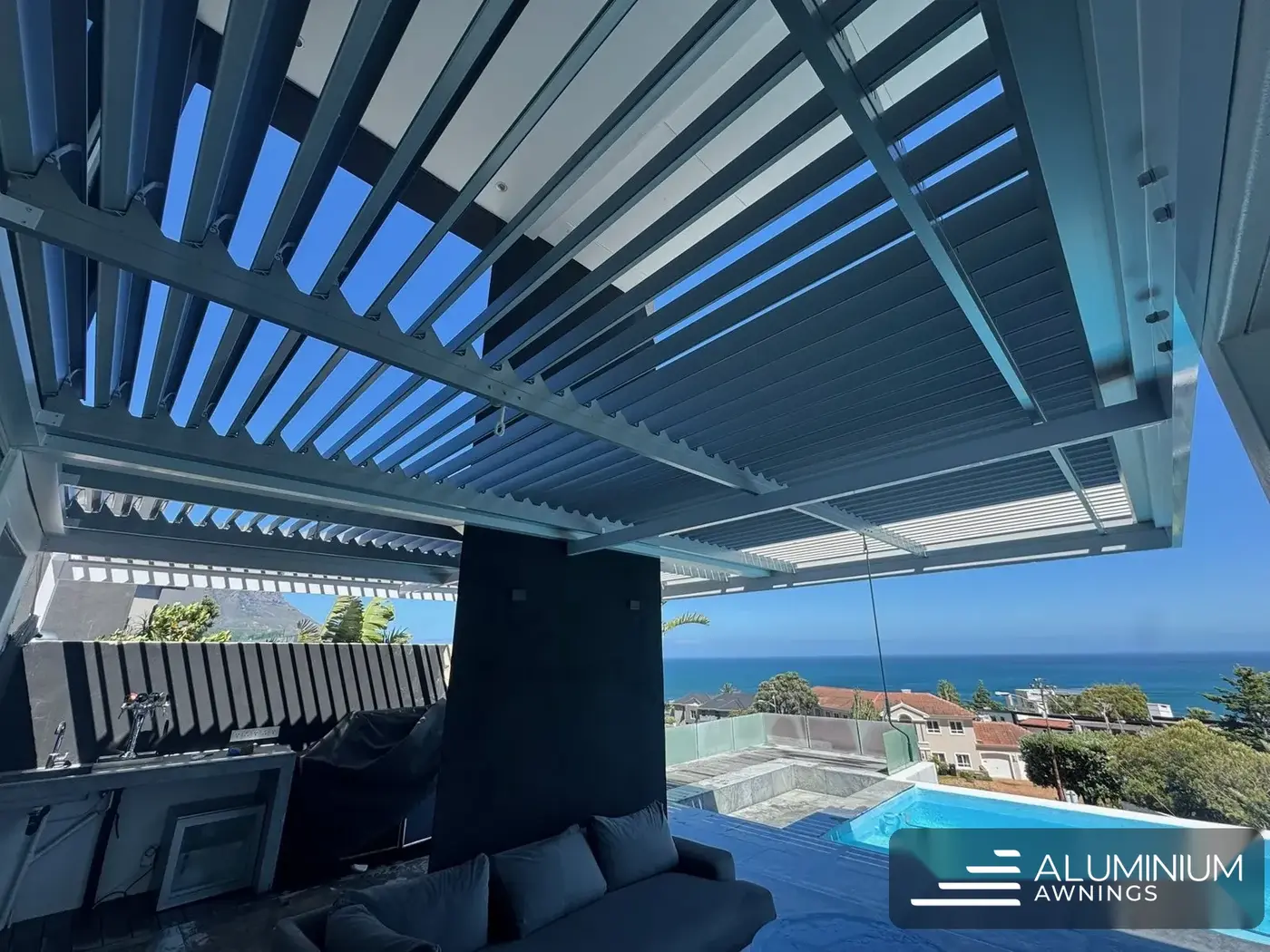
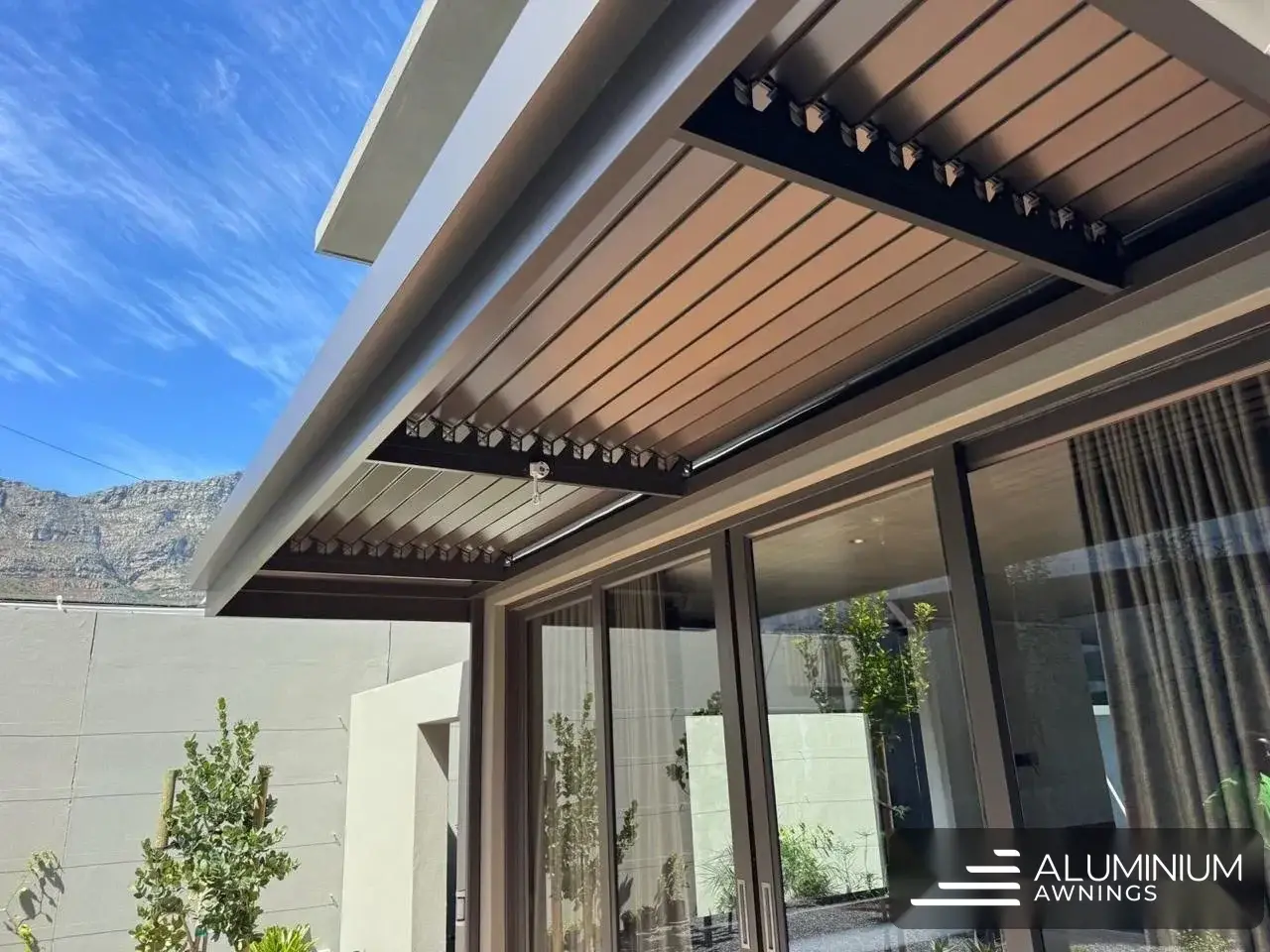
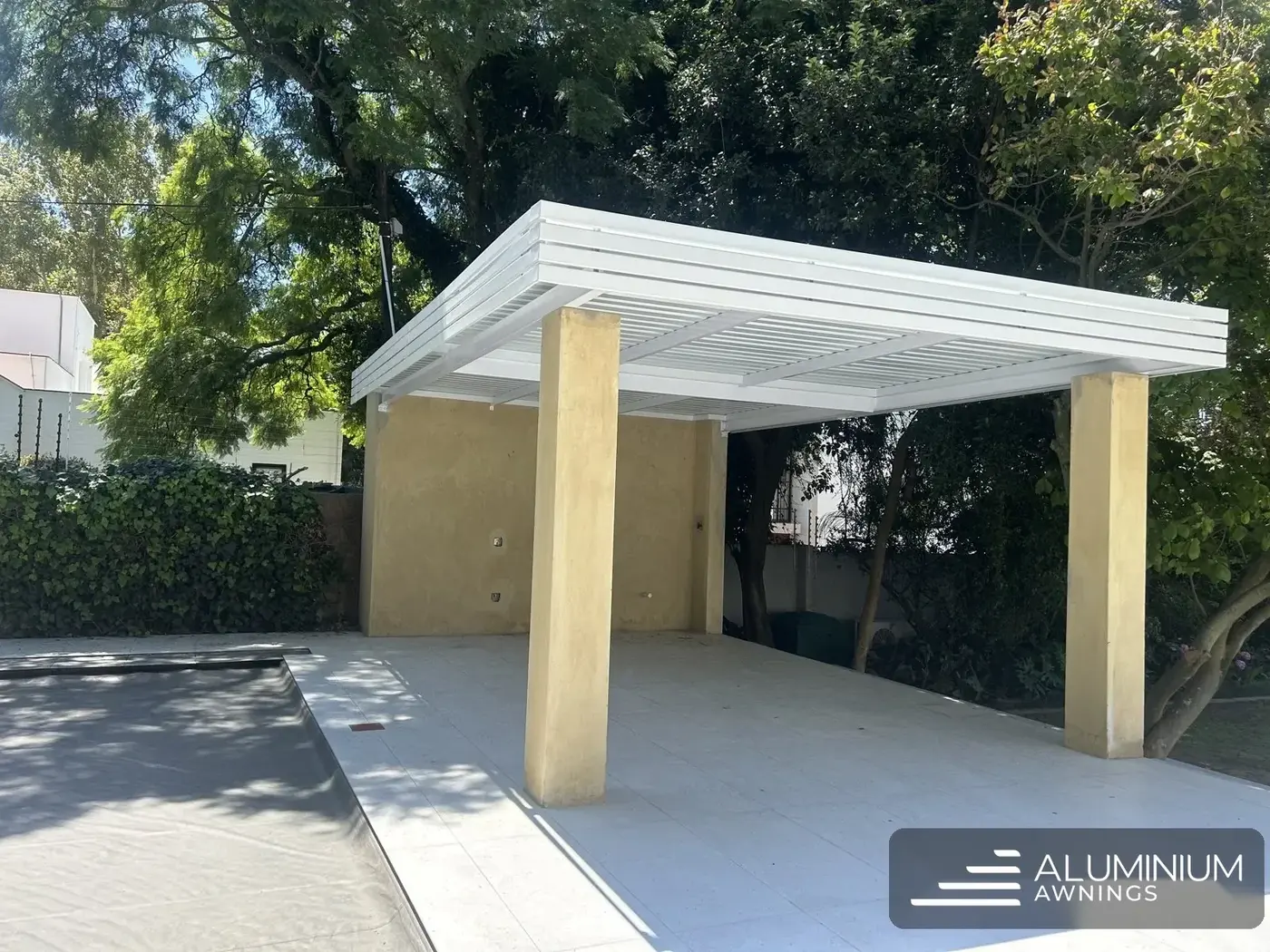
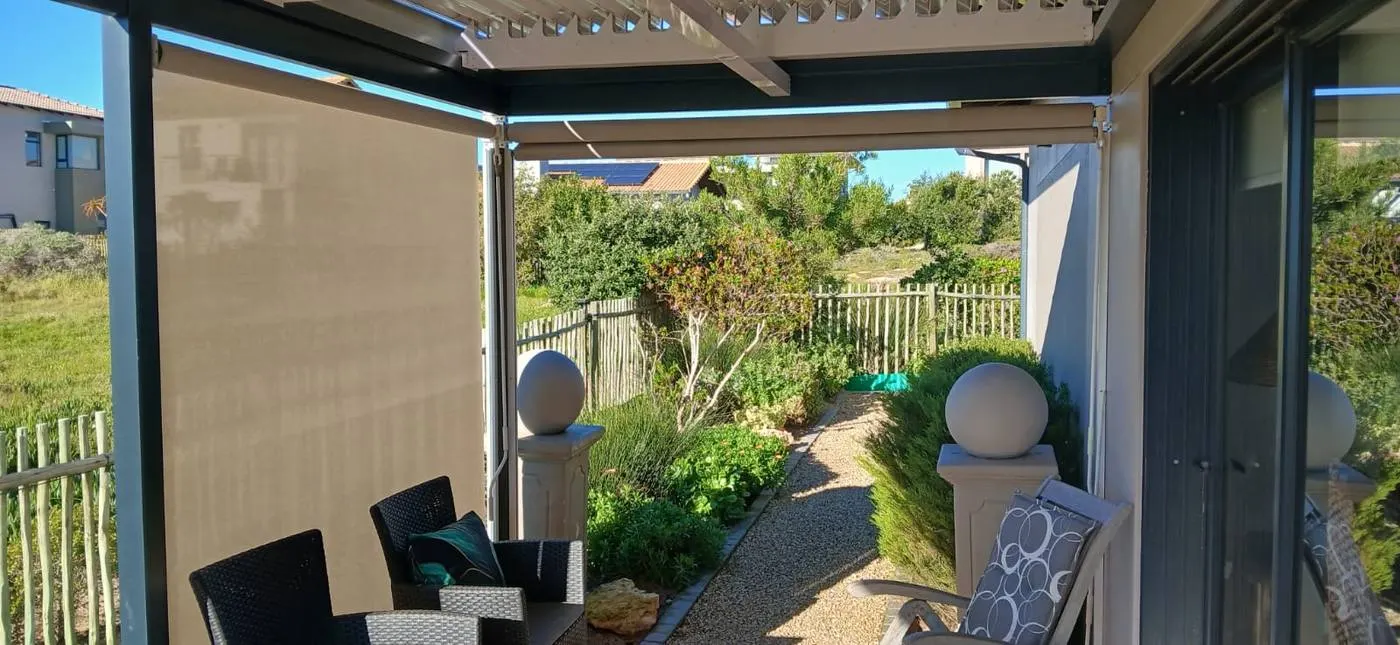
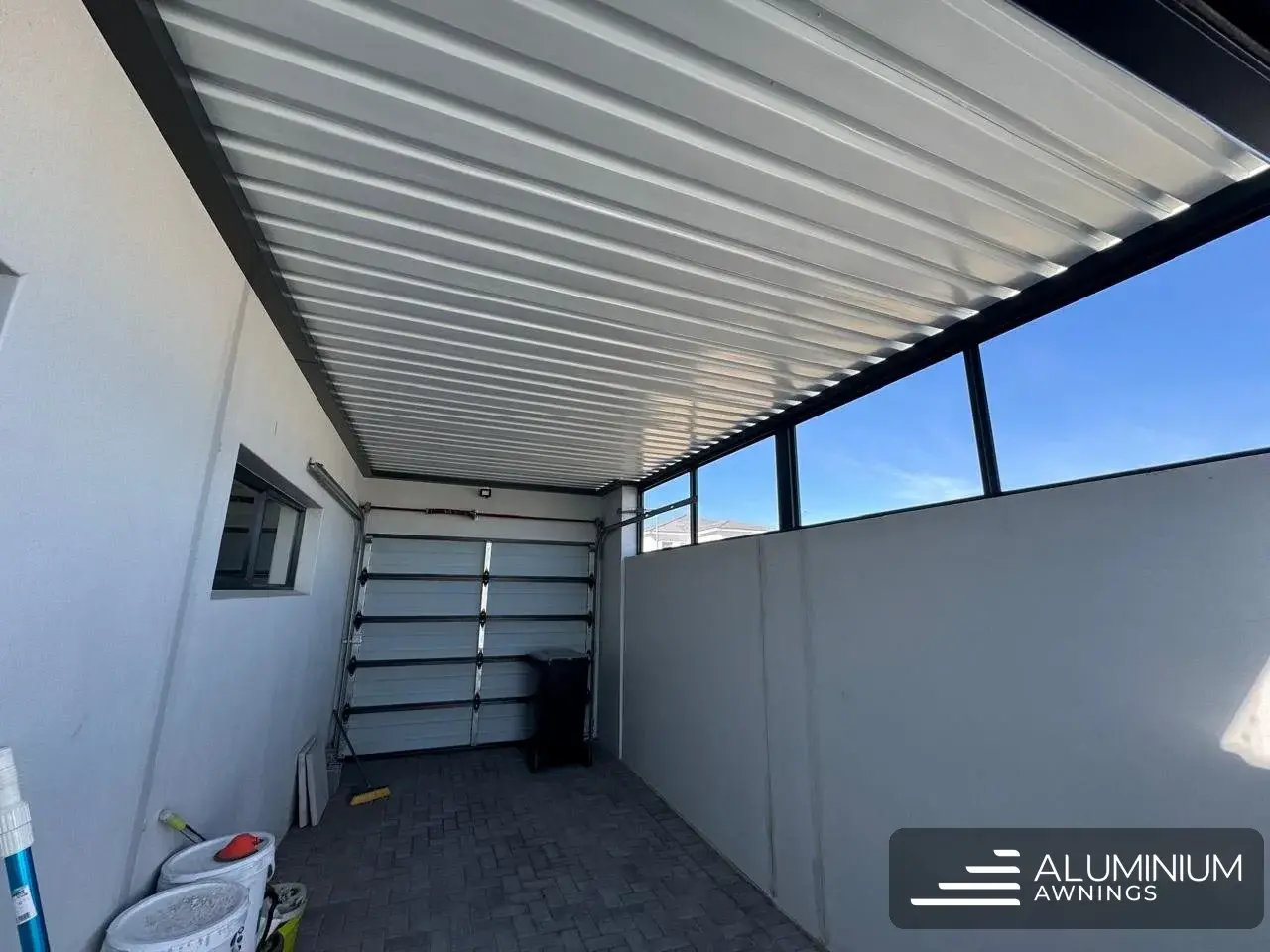
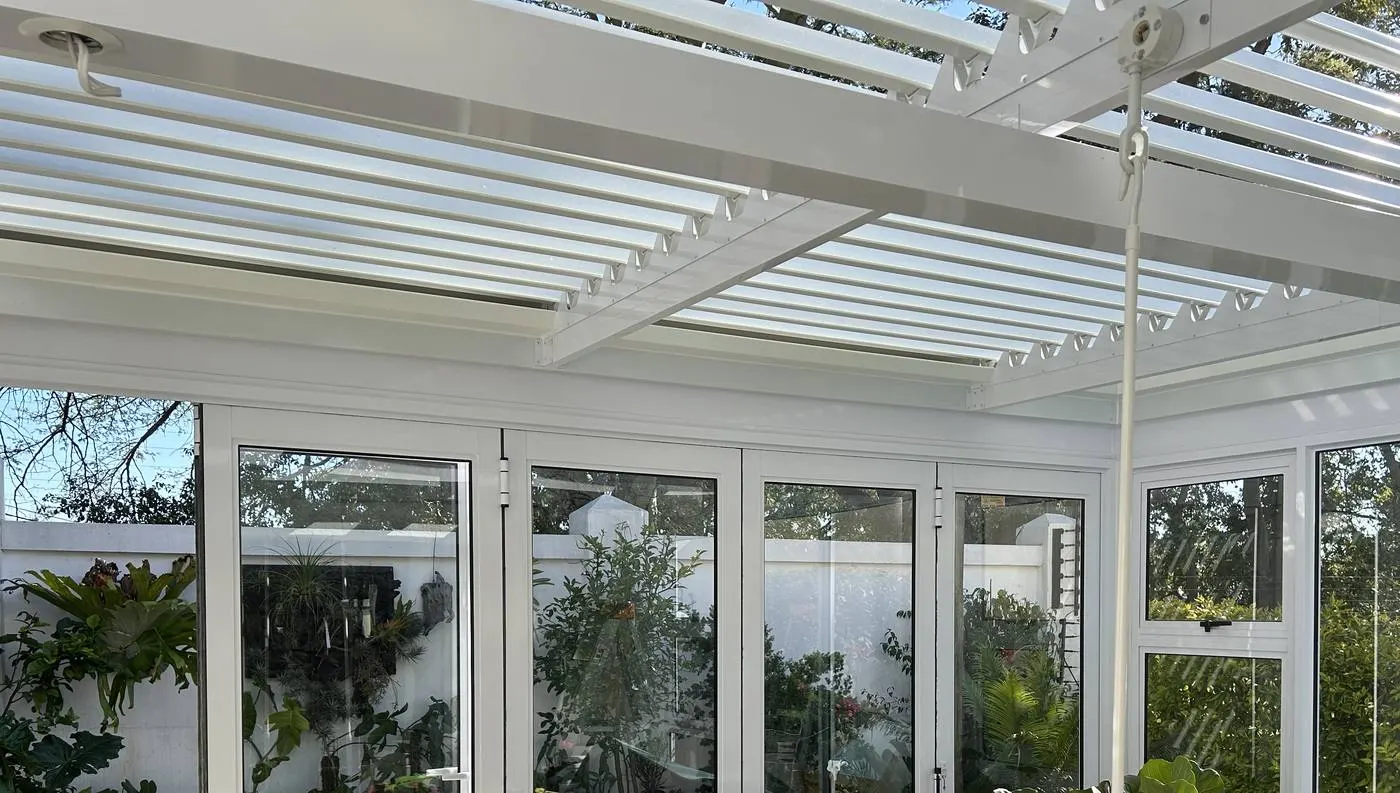
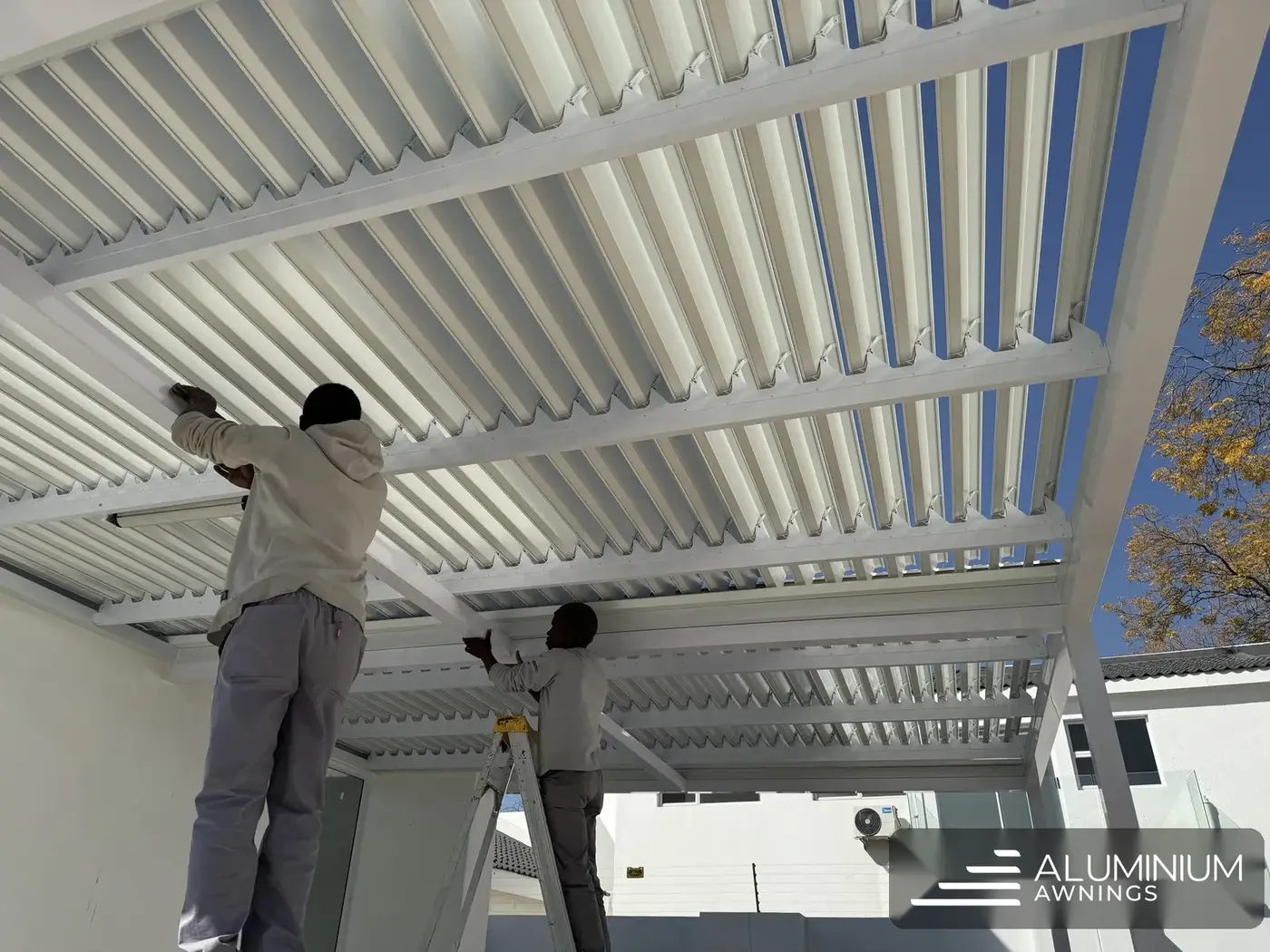
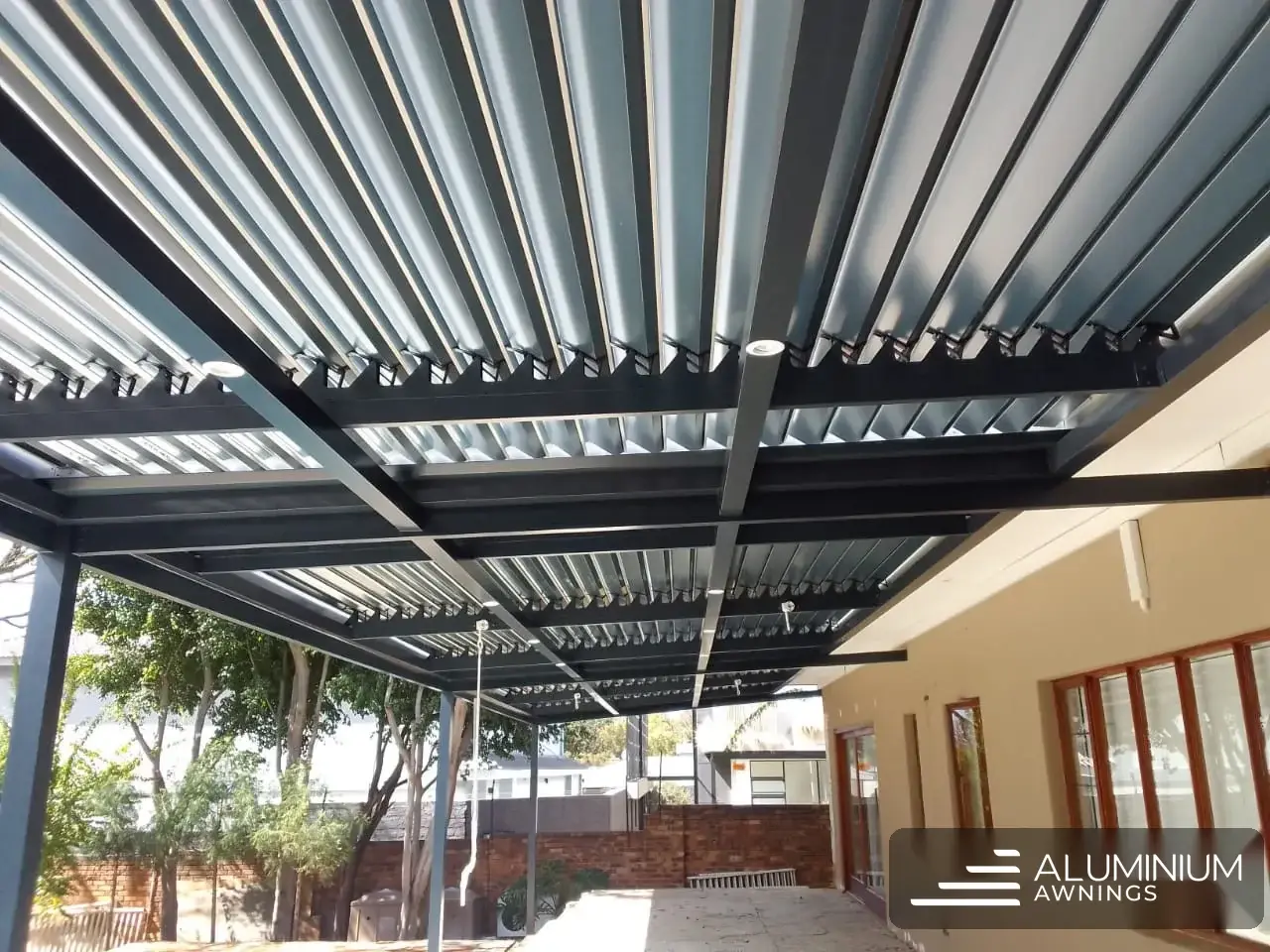
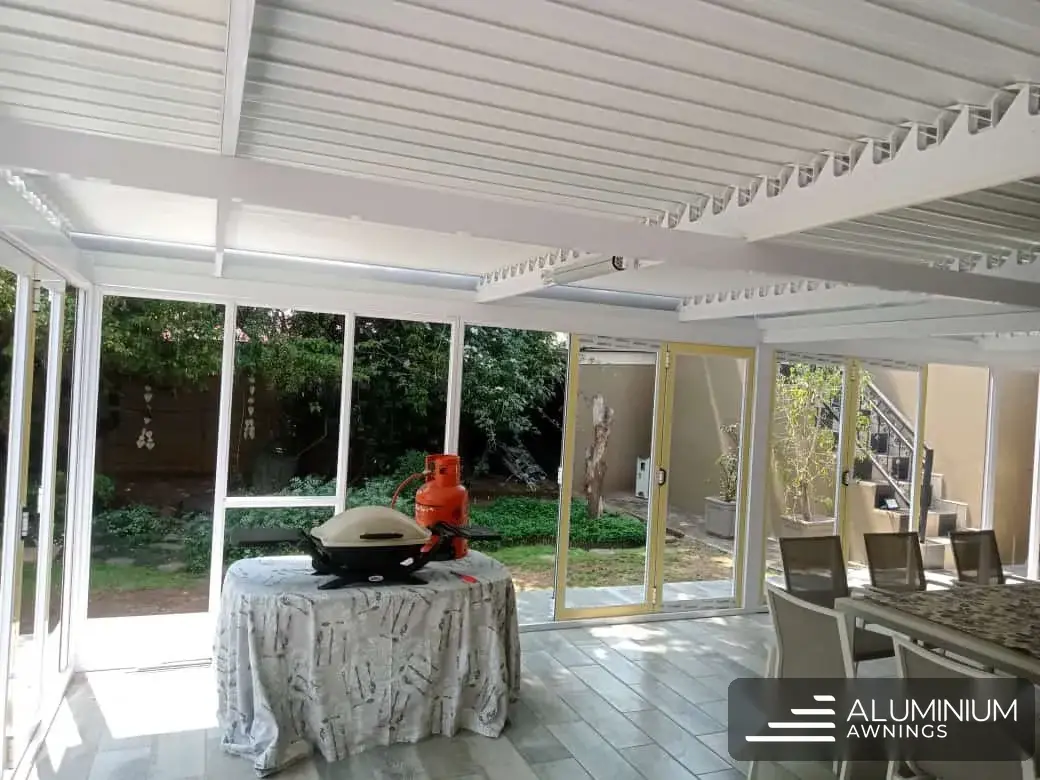
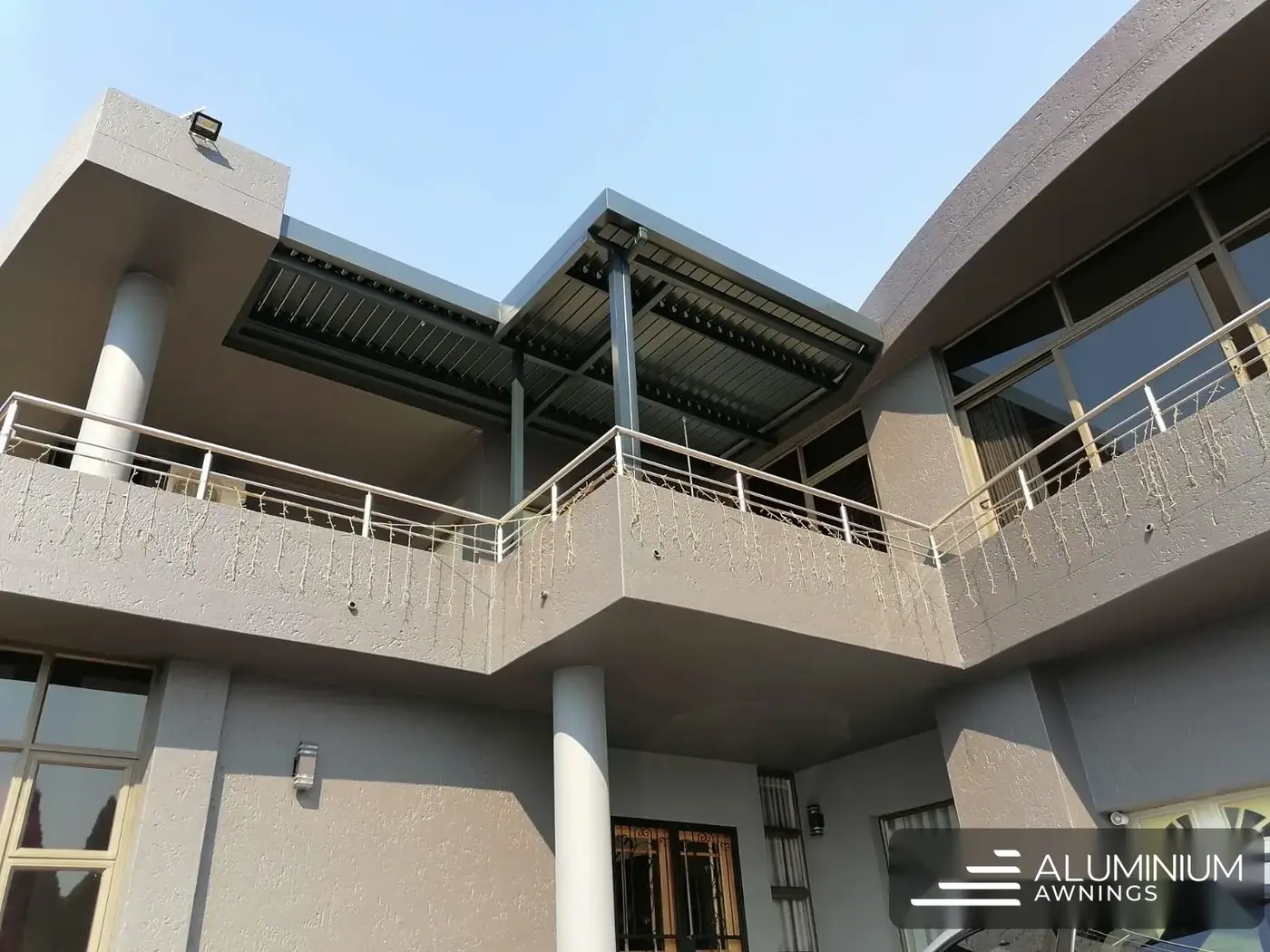
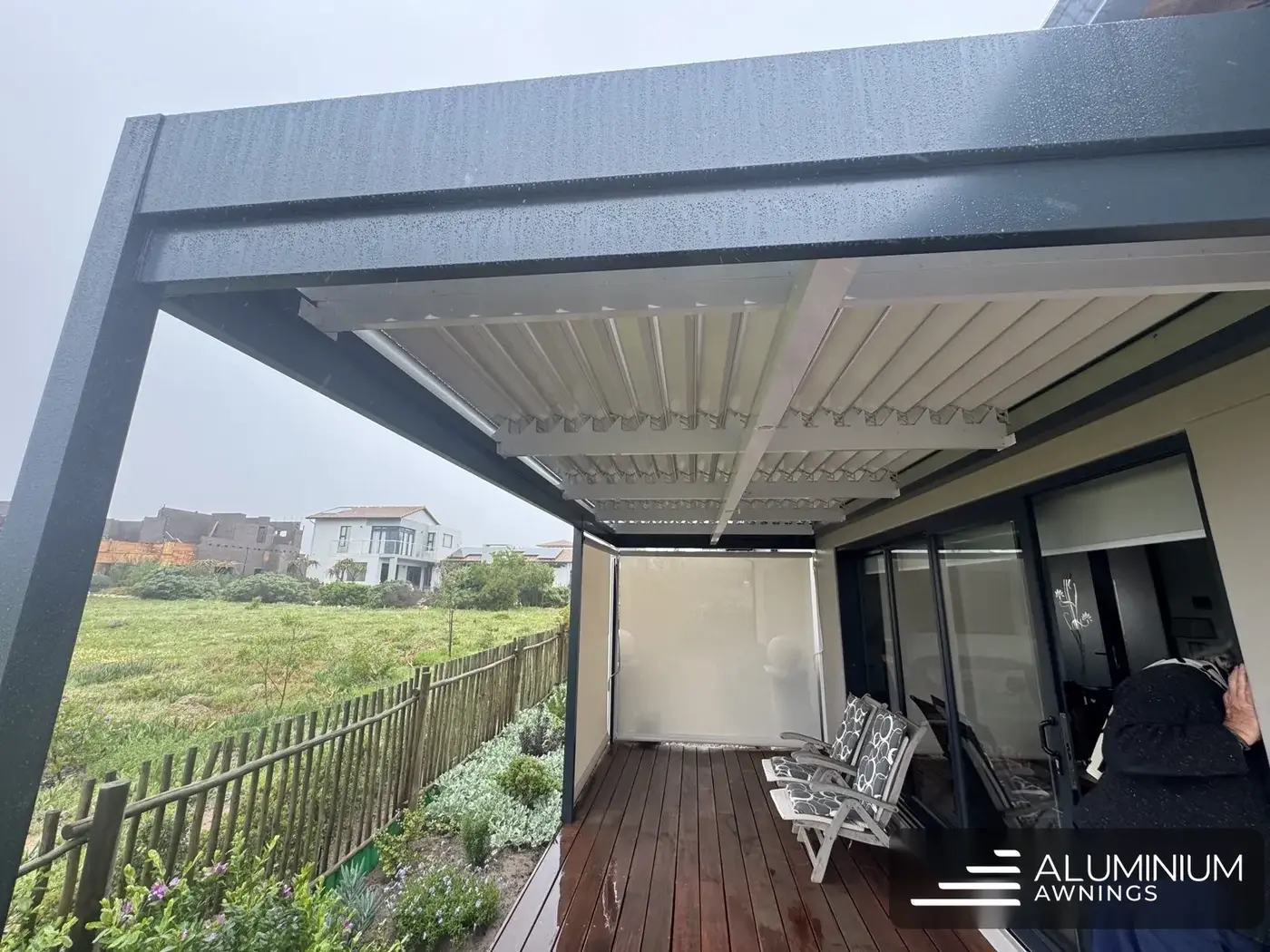
Composite gives you the warmth and grain of timber with almost none of the upkeep: no sanding, no sealing, no annual oiling. There is no varnish to strip and no rot to chase. A little regular care is all it takes to keep your composite beams looking as good as the day they were installed, for decades.
The everyday routine
Whenever leaves, pollen or grit build up, give the beams a rinse or a wipe down. Every so often, or whenever they look like they need it, give them a proper wash:
- Use a soft-to-medium brush or cloth with warm water.
- Add a little mild dishwashing liquid, about a quarter-teaspoon per 10 litres of water. Too much soap leaves a film.
- Work along the length of the beam, then rinse with clean water and let it dry.
Do’s & Don’ts
Do
- Wash periodically to keep the finish looking new.
- For a deeper clean, add a specialist composite cleaner to your soapy water.
- Work stubborn marks with a cloth and undiluted composite cleaner.
- Rinse thoroughly so no soap residue is left behind.
Don’t
- Never use methylated spirits or neat solvents , as they damage the composite skin.
- Don’t blast with a pressure washer on its highest setting (see below).
- Don’t drag rough or metal objects across the surface.
- Don’t use abrasive pads or steel wool on the finished surface.
Stubborn marks
For marks that won’t shift with soapy water, apply a specialist composite cleaner to the spot and work it in with a cloth, then rinse clean.
Pressure washing
A pressure washer is not recommended. If you must use one, set it to soft-to-medium pressure only , as the highest settings will damage the composite skin. Keep the nozzle moving in straight passes along the grain, hold it back from the surface, and never use figure-of-eight motions.
Beam Pro, the aluminium core
Beam Pro beams carry a lightweight aluminium core inside the composite skin. There’s nothing extra to do. The same gentle wash keeps them looking new, and the marine-grade core is built for coastal conditions. Keep fixings and drainage points clear, and avoid harsh chemicals near seals.